

Steel vs. Aluminum Fencing: Which Metal Wins in Minnesota?
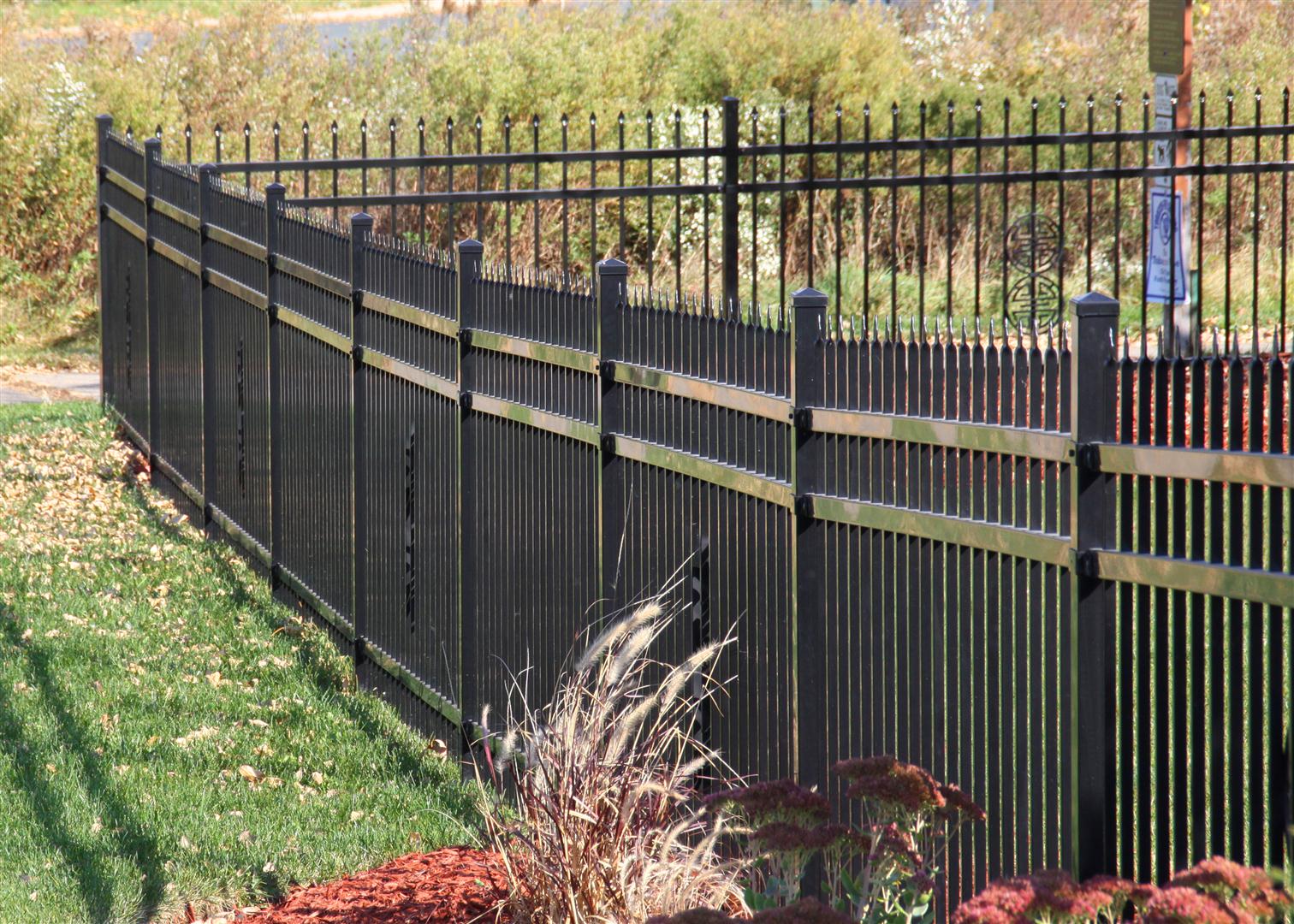

When homeowners look to add a premium, classic boundary to their property, they frequently search for a “black metal fence.” But that search will likely yield massive price variance between residential aluminum and ornamental steel. Both materials look virtually identical from a digital screen or a passing car, which begs the question: Is steel worth the slightly higher upfront investment?
The truth is that while aluminum is an acceptable specialty choice in low-wind or coastal climates, the extreme weather patterns of the Upper Midwest demand a fundamentally stronger material. Between shifting spring clay soils, heavy winter snow piles, and intense wind loads, a fence in this region faces a harsh structural gauntlet.
To win the durability showdown, your perimeter needs to be built for strength, impact resistance, and long-term value. Here is the objective engineering breakdown between ornamental steel and residential aluminum to help you make the smartest choice for your property.
The Strength Gap: Yield Strength and Impact Resistance
The single most critical structural metric separating these two metals is “yield strength”—the measure of how much physical force a material can absorb before it deforms, bends, and permanently loses its shape.
Aluminum is an inherently soft, lightweight, and pliable metal. While its lightness makes it easy to handle during a quick weekend installation, it leaves the perimeter highly vulnerable to everyday yard impacts. A heavy falling branch, a rogue lawnmower bump, or a large, active dog (70lbs+) launching its weight against the boundary can easily twist pickets and warp horizontal rails. Once an aluminum picket bends, the structural integrity is compromised, and it cannot be easily hammered back into shape.
Have us contact you
Ornamental steel operates on an entirely different level of structural rigidity. Steel possesses a yield strength that makes it roughly three times stronger than residential aluminum.
Because steel is rigid, it absorbs heavy physical impacts and naturally returns to its original shape without denting or bowing. Whether it faces severe winter snow accumulation thrown from a plow or an energetic family pet, steel maintains a commanding, unyielding perimeter presence that lighter metals simply cannot match.
Welded vs. Screwed: The Structural Integrity of Your Fence Panels
A metal fence is only as strong as the joints holding it together. The method used to assemble the fence panels dictates how well the structure will hold up against shifting local soils.
Standard residential aluminum fences are mechanical systems. The individual pickets are held to the horizontal rails using small, exposed exterior screws. When the ground freezes solid in the winter, the moisture in the soil expands, creating an intense upward force known as frost heave. This shifting ground puts immense “racking” stress on the fence line. Over time, those tiny screws can strip out, shear off, or loosen, leading to rattling pickets and sagging panels.
Premium ornamental steel systems, such as the Ameristar Montage® Steel Fencing lines we specialize in, use an all-welded structural panel design. The pickets are permanently fused directly to the rails using high-strength internal welds. There are zero exposed fasteners to rust, loosen, or snap when the ground moves. The entire panel remains one unified, solid shield of engineered steel.
Corrosion Myths: Understanding Modern E-Coat vs. Powder Coat
The most common reason homeowners default to aluminum is the fear of rust. It is a well-known fact that traditional wrought iron fences require constant scraping, sanding, and repainting to keep red rust at bay. While aluminum does not develop red rust—instead forming a natural oxide layer—modern manufacturing has completely eliminated the rust vulnerability for steel.
Ameristar steel fences feature a multi-stage manufacturing process known as E-Coat (Electro-deposition) technology. This is the exact same advanced corrosion-resistance process utilized by global automotive manufacturers to protect vehicle undercarriages from corrosive winter road salt.
Instead of merely spraying a powder coat onto the outside of the metal, the entire assembled steel panel is submerged into a massive, electrified bath of liquid epoxy primer. The electrical charge molecularly bonds the primer to the steel, flowing seamlessly into the inside of the hollow tubing.
While cheap metal fences rust from the inside out due to trapped condensation, an E-coated steel system is completely sealed inside and out, creating an essentially rust-proof steel system before the final UV-resistant topcoat is baked on.
Terrain & Installation: Rackability and Slope Handling
Very few residential properties are perfectly flat. If your yard features rolling hills or sudden elevation changes, the way a fence handles slopes will dictate its final appearance and security level.
When rigid, standard aluminum panels are installed on a hill, contractors are often forced to “stair-step” the fence line. This leaves large, triangular gaps underneath the bottom rail of every panel. These openings destroy the clean aesthetic of the property line and allow small pets to escape or wildlife to enter.
Ameristar Montage steel solves this problem through advanced All-Terrain Fabrication (ATF) rails. This specialized design allows the welded panels to smoothly articulate and rake up to 48 inches over an 8-foot span. The pickets pivot to match the exact contour of your hill while the bottom rail stays perfectly parallel to the ground. This eliminates bottom-rail gaps entirely, providing a custom-fit, secure estate look across the entire terrain.
The Cost-to-Value Ratio: Upfront Price vs. 30-Year Lifespan
While residential aluminum carries a lower initial upfront cost, it frequently represents a lower long-term value when installed in harsh northern climates. The mechanical fasteners wear down, the soft metal is prone to damage, and the overall lifespan typically tops out around 20 to 30 years before panels require replacement.
Investing in an Ameristar steel fence means investing in a lifetime asset. With a lifespan tracking between 30 to 50+ years, steel easily outlasts aluminum, rendering the true cost of ownership lower over time.
Because steel is a heavy, high-performance material, it demands an unshakeable anchor below the surface. A premium steel fence is only as reliable as the concrete holding it straight. We refuse to use cheap, driven pipes that inevitably lean under lateral wind loads. Every main structural post we install is set in deep concrete footings in a bell-shape to prevent winter ground shifting.