

The Ultimate Guide to Wood Fencing in Minnesota

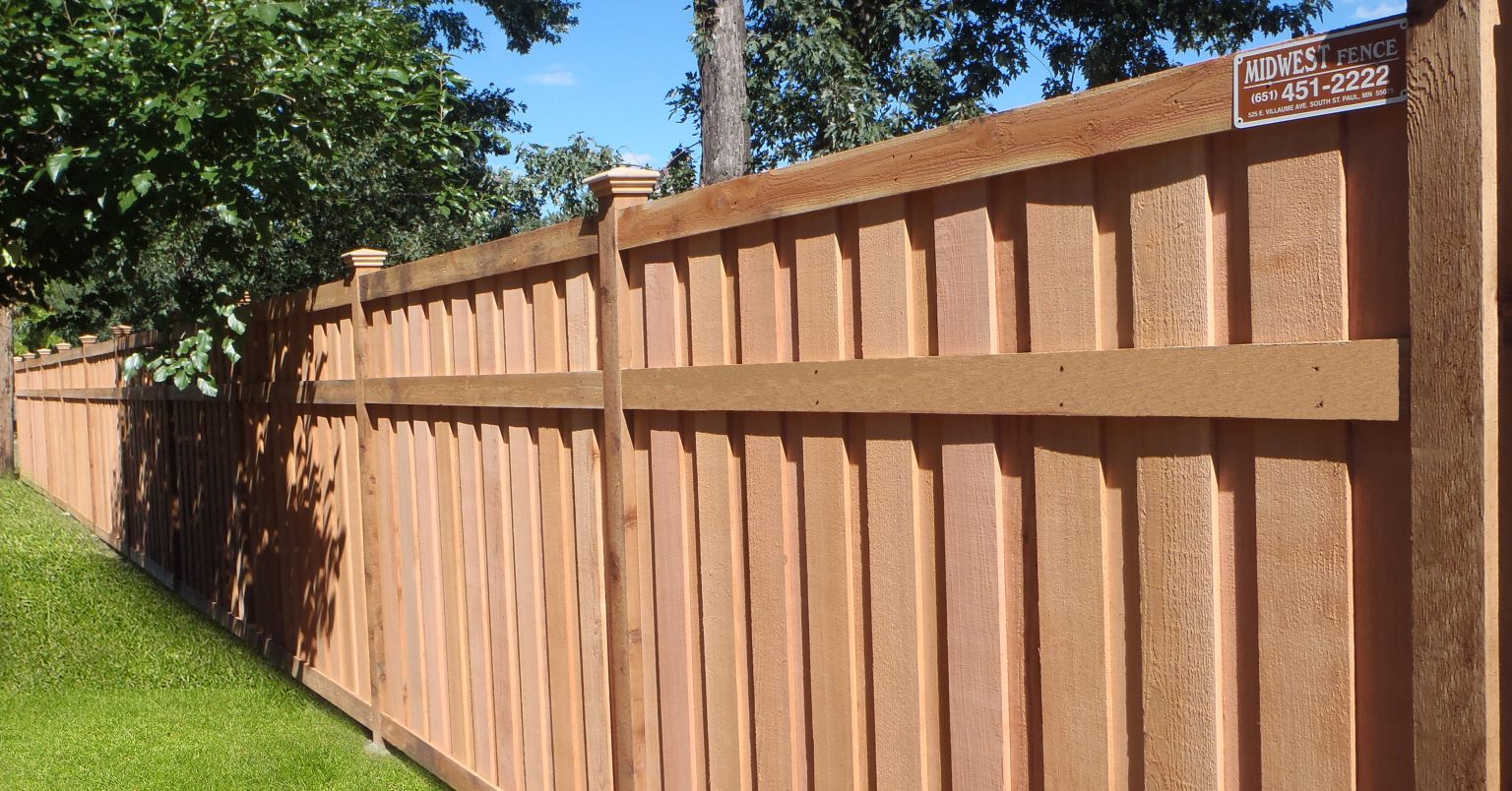
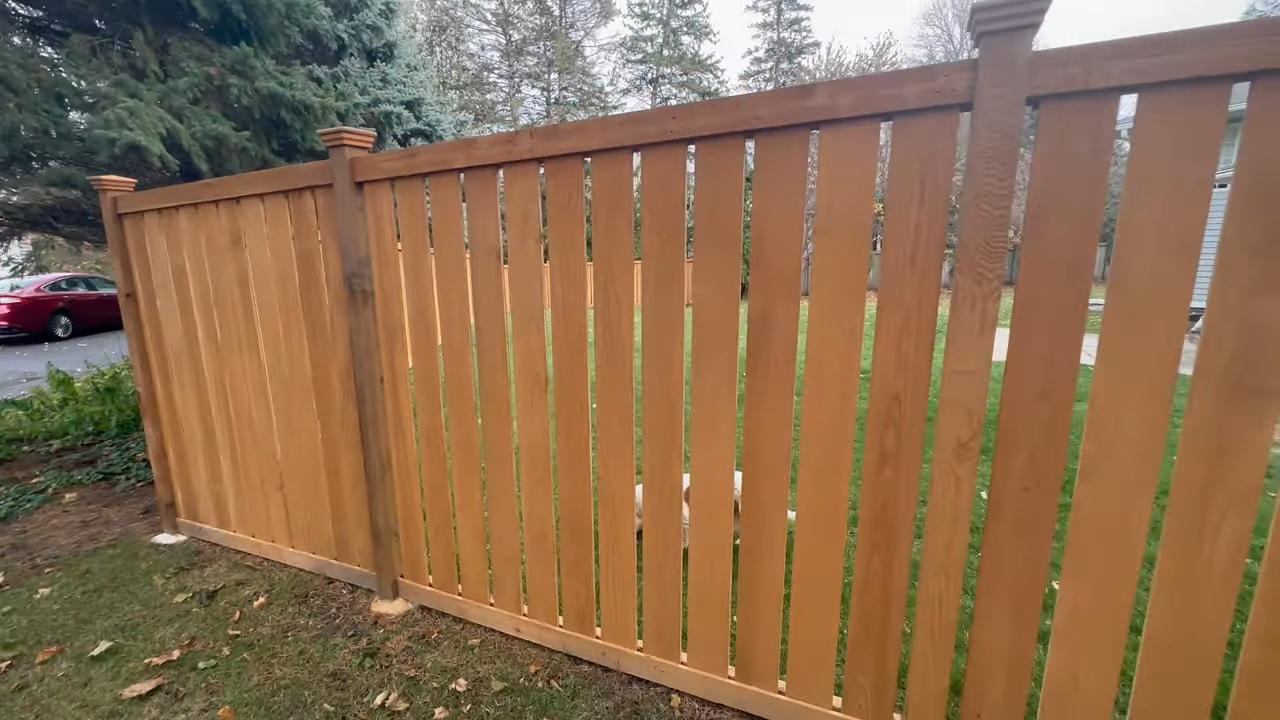
There is something timeless about a real wood fence. The natural scent of cedar, the way it complements the historic architecture of neighborhoods from Summit Avenue to Lake Minnetonka. In a world of plastic and composite, wood feels like a real, authentic choice for the American backyard.
But here’s the truth: most fence companies in Minnesota have stopped doing wood the right way. They use pre-fabricated panels held together by staples or “white wood” that twists and warps before the first snow falls. But at Midwest Fence, we’ve spent 75 years perfecting the craft. If you are looking for Wood Fencing in MN, you deserve a fence that is built, not just “installed.”
Why Wood Still Wins: The Natural Choice for the Twin Cities
Wood isn’t just a “budget” choice; it is a premium architectural feature. In many historic Twin Cities neighborhoods, city codes actually require natural materials to preserve the character of the area. And there’s a reason for this that can apply to your backyard as well – wood offers a warmth and customization that no other material can match.
“A lot of guys stopped doing wood because it’s hard to get right,” says our in-house fencing expert Fence Man Dan. “We never stopped. We have the 7-acre yard and the local shop to make sure every board is exactly what the Minnesota soil demands.” Beyond the aesthetics, a professionally installed wood fence is a major driver of property value. When a potential buyer sees a sturdy, beautiful cedar perimeter, it ‘checks a lot of boxes’ for families and pet owners, making your home significantly more desirable on the market.
Have us contact you
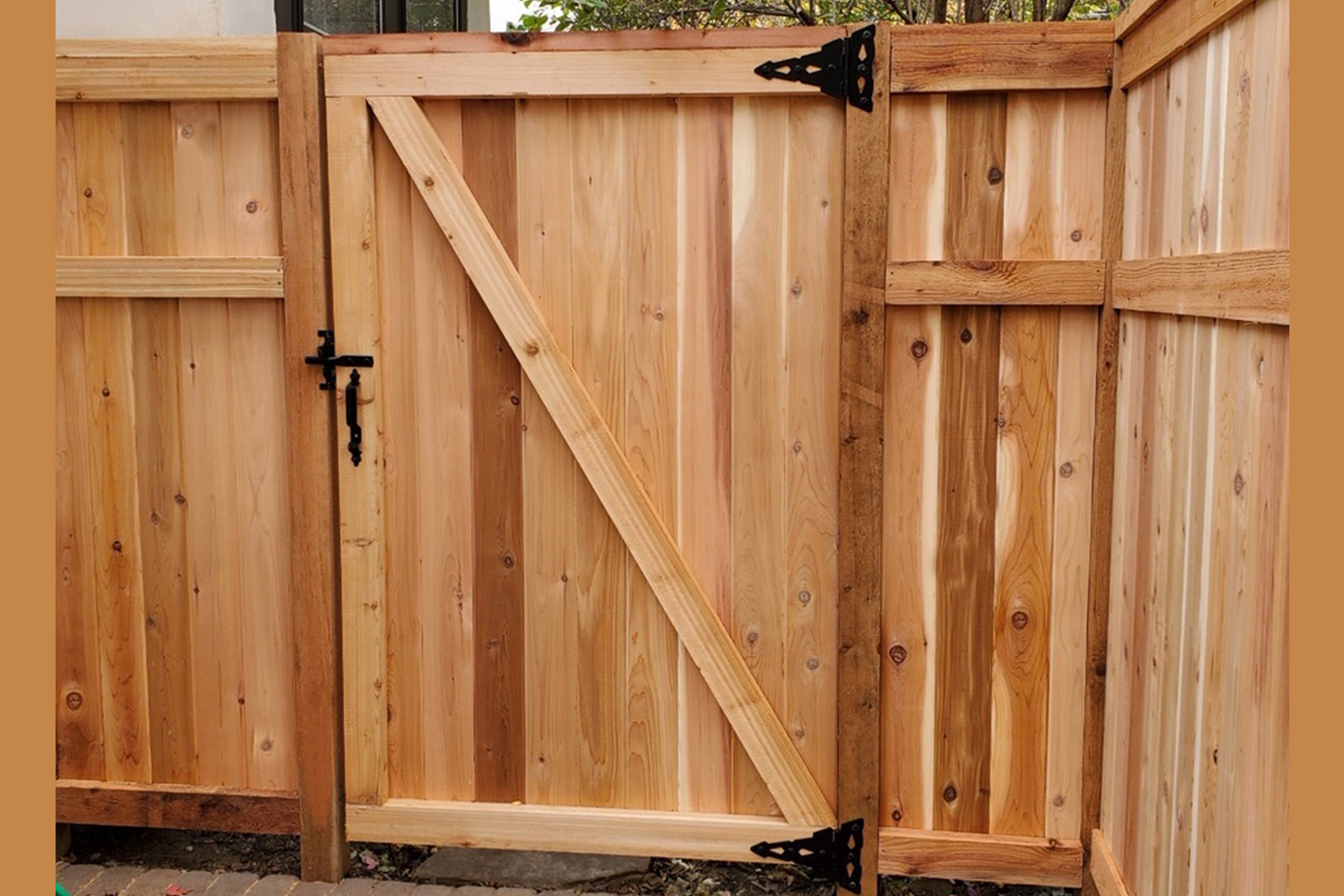
The Midwest Standard: 100% Authentic Western Red Cedar
The secret to a wood fence that lasts thirty years instead of seven is the species of wood. While big-box retailers sell “Chinese Cedar” (which is actually a species of fir) or “White Wood,” Midwest Fence utilizes 100% Western Red Cedar.
Western Red Cedar is nature’s ultimate engineering marvel. It contains natural tannins and oils that act as a biological “pesticide” and “fungicide.” It is literally built to fight off rot and insects without the need for harsh chemicals.
When you combine this “natural armor” with our 75-year installation standards, you get a fence that survives the Minnesota freeze-thaw cycle with ease. As Fence Man Dan points out, since we buy our cedar boards by the carload—literally arriving on a train—we can hand-select the best old-growth timber with tight growth rings, ensuring your fence is more rot-resistant and rigid than anything found at a retail store.
Finding Your Style: Choice and Customization
When choosing a wood fence, the first question isn’t about color—it’s about how you want to use your yard. Because we custom-build every single section in our South St. Paul shop, we can customize the height and look to fit your property perfectly.
Take a look at our five signature wood styles to find the best fit for your home:
1. Wood Privacy Fences
If you want to turn your backyard into a quiet outdoor living room where the neighbors’ business stays on their side of the line, this is the answer. We build our privacy fences with heavy-duty 1×6 boards rather than flimsy 1x4s to naturally block out neighborhood noise and prevent warping.
2. Wood Picket Fences
Perfect for defining your property line and keeping the dog in the yard without sacrificing your view. From classic straight-tops to flowing scalloped designs, our local shop can even custom-match the exact historic picket tops of older Twin Cities homes.
3. Wood Shadowbox Fences
Often called the “neighbor-friendly” fence, this style looks completely identical from both sides of the property line. Because the pickets alternate, it lets light and fresh air flow through beautifully, making it the ultimate “insurance policy” for wide-open, windy yards.
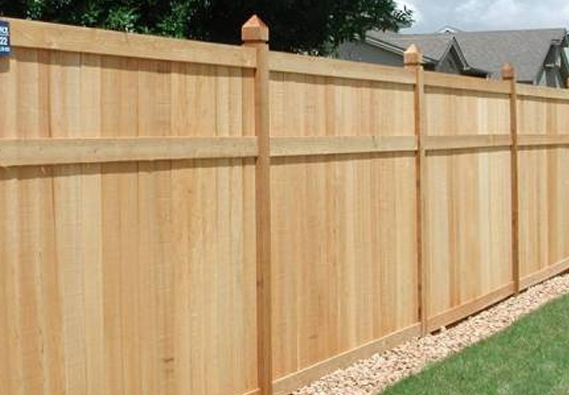
4. Wood Tongue & Groove Fences
For a high-end, completely seamless look, tongue and groove is the gold standard. The cedar boards interlock tightly together—just like a beautiful hardwood floor—completely eliminating those tiny visual gaps that can happen when regular wood shrinks over time.
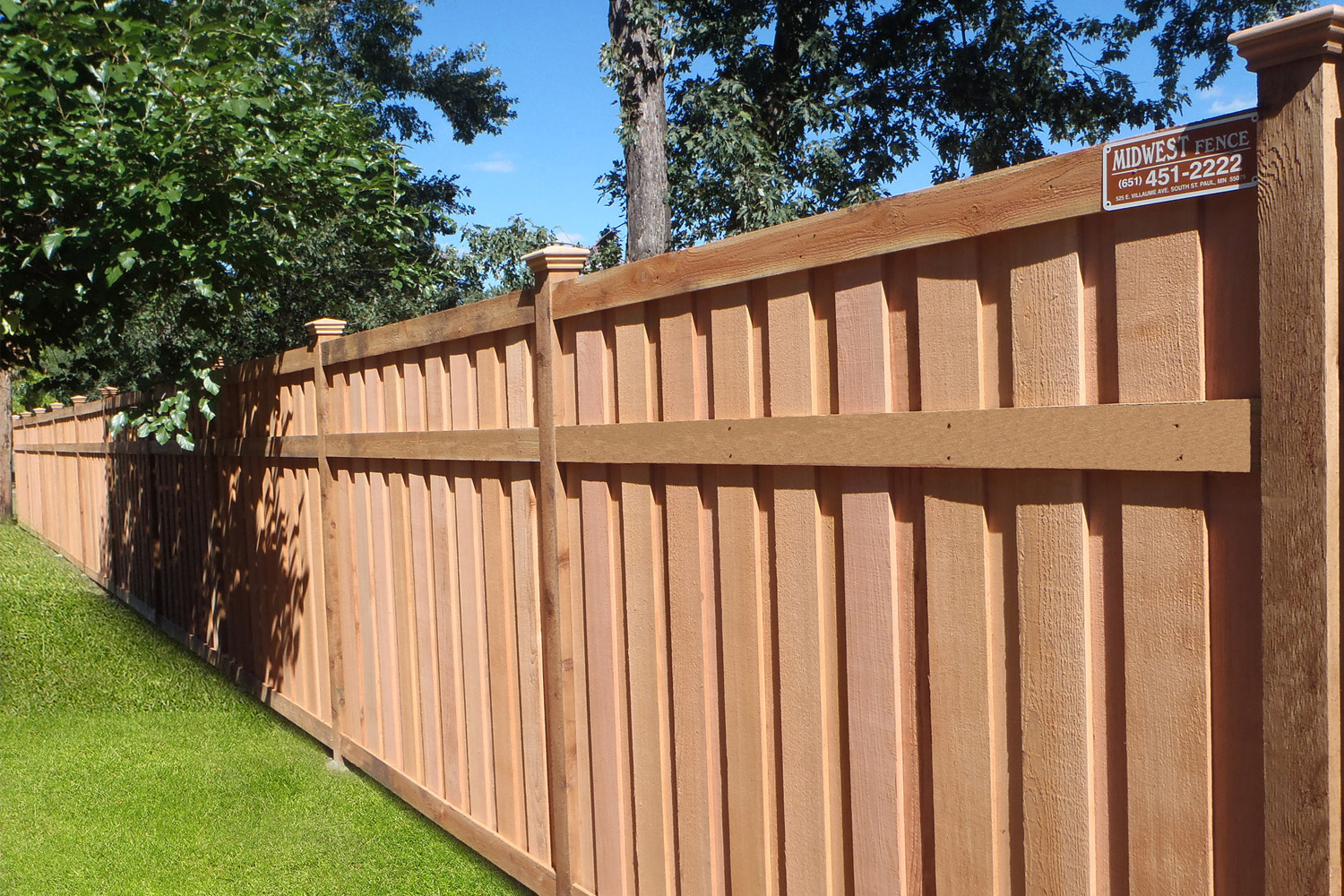
5. Wood Board & Batten Fences
If you want a bold, rustic look that sets your property apart, board and batten delivers. By layering vertical cedar boards with dimensional strips over the seams, it creates deep shadow lines and a heavy-duty, architectural feel built to last.

Midwest Fence Builds to Last (Unlike Competitors Who Take Shortcuts)
Midwest Fence understands that the most frequent reason wood fences fail is the foundation, which is why Midwest Fence does not take shortcuts to cut costs and increase profit; instead, we build to last.
Midwest Fence recognizes that the true value of a fence comes where other companies take shortcuts: underground.
- The “Driven Post” Trap: Many installers simply pound a steel pipe into the dirt. In our clay-heavy soil, a 6-foot privacy fence acts like a giant sail; without a proper anchor, wind will eventually “slot” the soil, leaving your fence with a permanent lean. This “No-Dig” method is a shortcut that Fence Man Dan notes “benefits the contractor more than the homeowner.”
- The “Concrete Post Footing” Standard: We dig. By setting our posts in a deep, bell-shaped concrete base, we create a stable foundation for your fence. As Dan explains (Video Below: “Concrete vs Driven Posts”), the concrete footing forms a “bell” at the bottom that helps lock the post in place. When the post doesn’t move, the fence doesn’t move. To maximize your investment, we also guide you on property lines. We recommend building “all the way up to it without going over” to help prevent neighbors from unintentionally claiming your land for gardens or trees.
- Aluminum Reinforcement: Have you ever seen a wood fence where the bottom rail looks like a “sagging belly”? That happens without internal support. For our larger gates and specific styles, we utilize structural reinforcements to ensure your lines stay level for decades.
Custom Built, Not Pre-Fab: The South St. Paul Difference
If you walk through a neighborhood and see a fence that looks like a “staircase” going up a hill, you’re looking at cheap, pre-fabricated panels. Every wood fence we install is custom-cut in our South St. Paul shop. This allows us to build to the “rake” or the specific slope of your yard. Choosing a custom-built solution like this is an ideal way to ensure your fence feels like a permanent piece of architecture rather than a temporary addition.
Maintaining Your Investment
A wood fence is a living thing. To get the longest life out of your Western Red Cedar, it needs to “cure” after installation. We recommend letting the wood dry out for a few months before applying a high-quality stain. Investing in a professional stain further increases that ‘desirability’ factor for future buyers, ensuring your fence remains an asset rather than a maintenance liability.